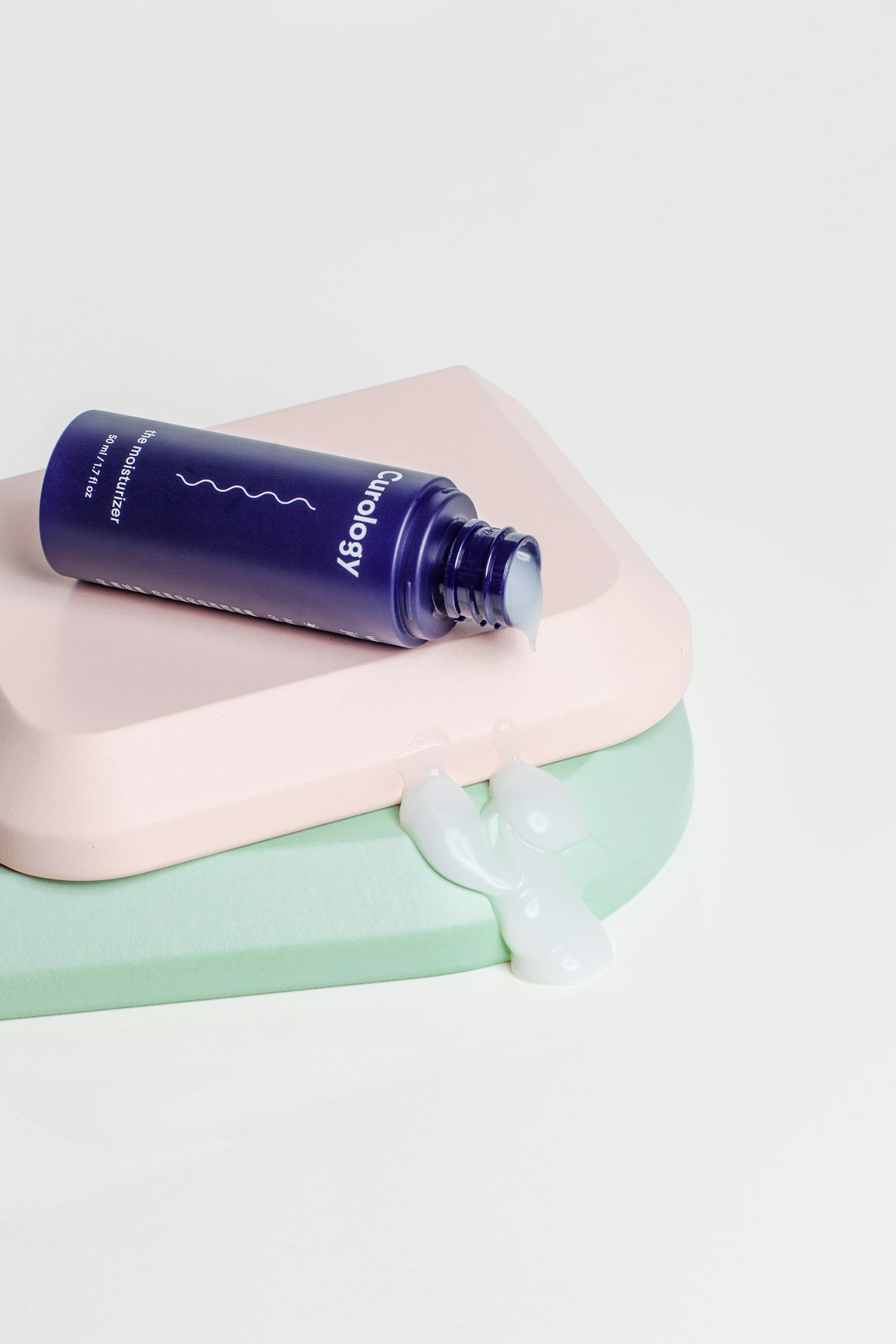
Beauty products are formulated with storage assumptions: moderate temperature, limited light, closed containers, and reasonably clean handling. Steamy shelves, sunny windowsills and half-open jars quietly work against those assumptions. This article explains the four factors that matter most and the simple habits that protect your products.
Heat: the quiet degrader
Prolonged heat — radiators, sunny counters, car interiors — is harder on products than most people expect. Textures can separate, fragrances can shift, and directed shelf life assumes room-temperature storage. Keep everyday products in the coolest stable spot available, never on sun-struck sills or beside heaters, and never leave products in hot cars. If a cream has separated, changed color or developed an off odor after heat exposure, replace it rather than stirring it back.
Light and air
Direct sunlight and constant open air accelerate change. Prefer opaque cabinets or shaded shelves over display in bright windows. Close caps, pumps and droppers immediately after every use rather than leaving them open during the routine. For dropper bottles, avoid touching the dropper to skin and never return used product to the bottle.
Humidity and hygiene
Bathrooms are convenient but steamy. Where possible, store products outside the direct shower zone or in a closed cabinet, and handle jars with clean dry hands or a small spatula. Keep applicators, caps and nozzles wiped and capped. Do not share products that touch skin or eyes directly, and do not add water to thin old products — that introduces contamination rather than restoring them.
Reading dates and symbols
Check three things on every product: the expiry or best-before date where printed, the period-after-opening symbol (an open-jar icon with a value like 6M or 12M indicating months after opening), and any storage instruction such as keeping away from heat or sunlight. Write the opening month on the base with a small label so the symbol becomes actionable. When the period has clearly passed — or texture, color or odor has changed regardless of date — let the product go.
A practical storage setup
- Daily items together in one tray, away from direct steam and sun.
- Weekly extras behind them; backups stored separately and unopened.
- Tools stored dry with bristles protected, not piled damp in a cup.
- Mascara and eye products tightly capped and tracked by age.
- A twice-yearly review to remove expired or changed products.
General information only. Always follow the manufacturer’s storage and expiry guidance. Related: organizing products and reading directions.