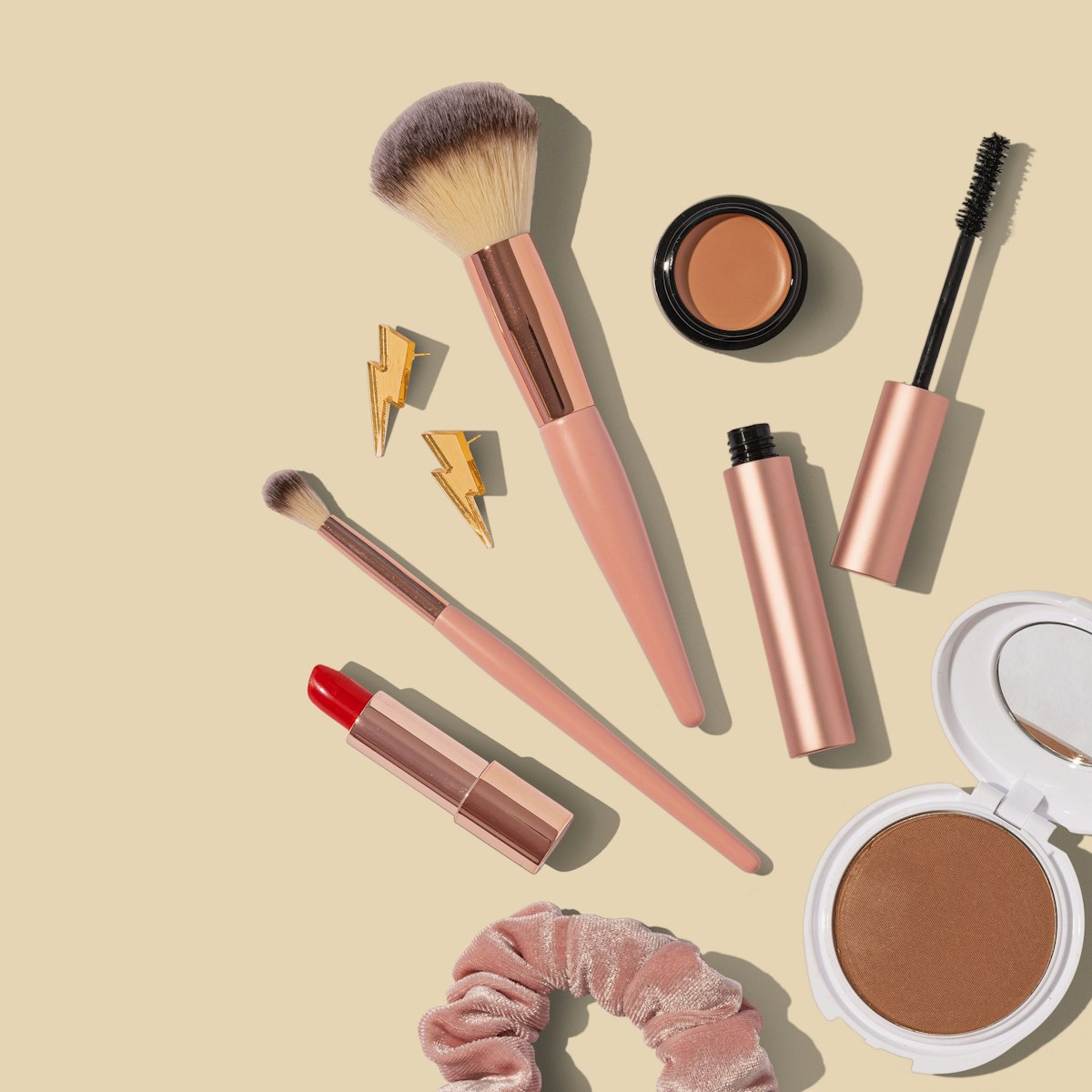
Makeup brushes feel intimidating mainly because sets include more shapes than a beginner needs. In practice, three or four brushes handle most everyday makeup: one for base, one for cheeks, one for eyes, and optionally one for detail. This article explains what common brush types do, how to hold them, and how to practice without pressure.
Meet the essential shapes
Foundation or base brush: denser bristles that spread and stipple liquid or cream base products. Many beginners alternatively use a damp sponge — both are valid. Powder or blush brush: large, fluffy and forgiving; ideal for sheer color because it resists heavy application. Eyeshadow brush: medium flat brush for placing color and a fluffy blending brush for softening edges. Detail brush: small and firm for concealer or precise work around the nose and under-eyes.
You do not need separate brushes for every product at first. Learning one brush well teaches pressure and blending faster than owning twelve you rarely touch.
How to hold a brush
Hold brushes midway down the handle rather than near the ferrule for everyday work — this naturally lightens pressure and improves blending. Use stippling (gentle pressing) for foundation and sweeping or circular buffing for powder and blush. For eyeshadow, place color with the flat side, then switch to a clean fluffy brush using windshield-wiper motions to soften the edges.
A low-pressure practice plan
- Week one: practice base blending on the back of your hand and jawline with a tiny amount of product.
- Week two: add blush with the fluffy brush, building from almost nothing in two sheer passes.
- Week three: practice one eyeshadow shade with placement plus blending, in daylight.
- Week four: combine the steps into a full simple routine and note what felt easiest.
Photograph results in the same daylight spot each week. Progress photos reveal improvement that mirrors hide.
Pressure and amount
Most beginner harshness comes from pressing too hard and loading too much product. Tap or swirl the brush, tap off excess, then apply in sheer passes. It is always easier to add a second pass than to remove an overloaded first one. Clean brushes also blend better — product buildup makes bristles stiff and streaky.
Cleaning and storage
Wash foundation brushes about weekly and powder brushes every one to two weeks using gentle soap and lukewarm water, reshape, and dry angled downward or flat. Store brushes upright or in a roll with bristles protected, away from dusty counters. Full steps are in our brush-cleaning guide and tool hygiene article.
General information only. Never share eye products, replace mascara as directed, and discontinue any product that causes irritation. Continue with Makeup Basics.